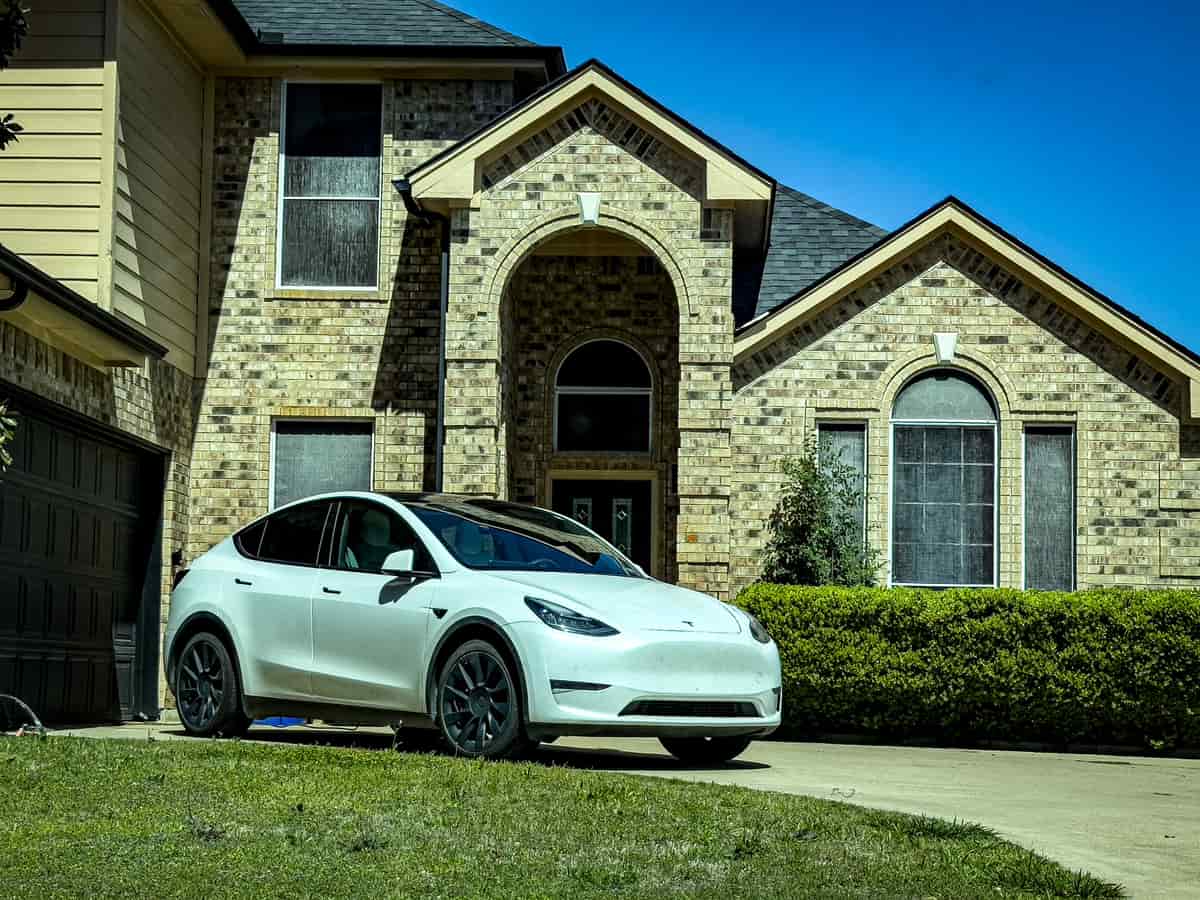
Step 1
Do you actually need a Level 2 charger?
The honest test for whether you need a Level 2 charger, or whether Level 1 is enough.
Home EV charging, for beginners
Trusted, plain-English guidance on home EV chargers: which Level 2 unit to buy, what installation really costs, and what size breaker you need. We have not tested these chargers, and we say so.
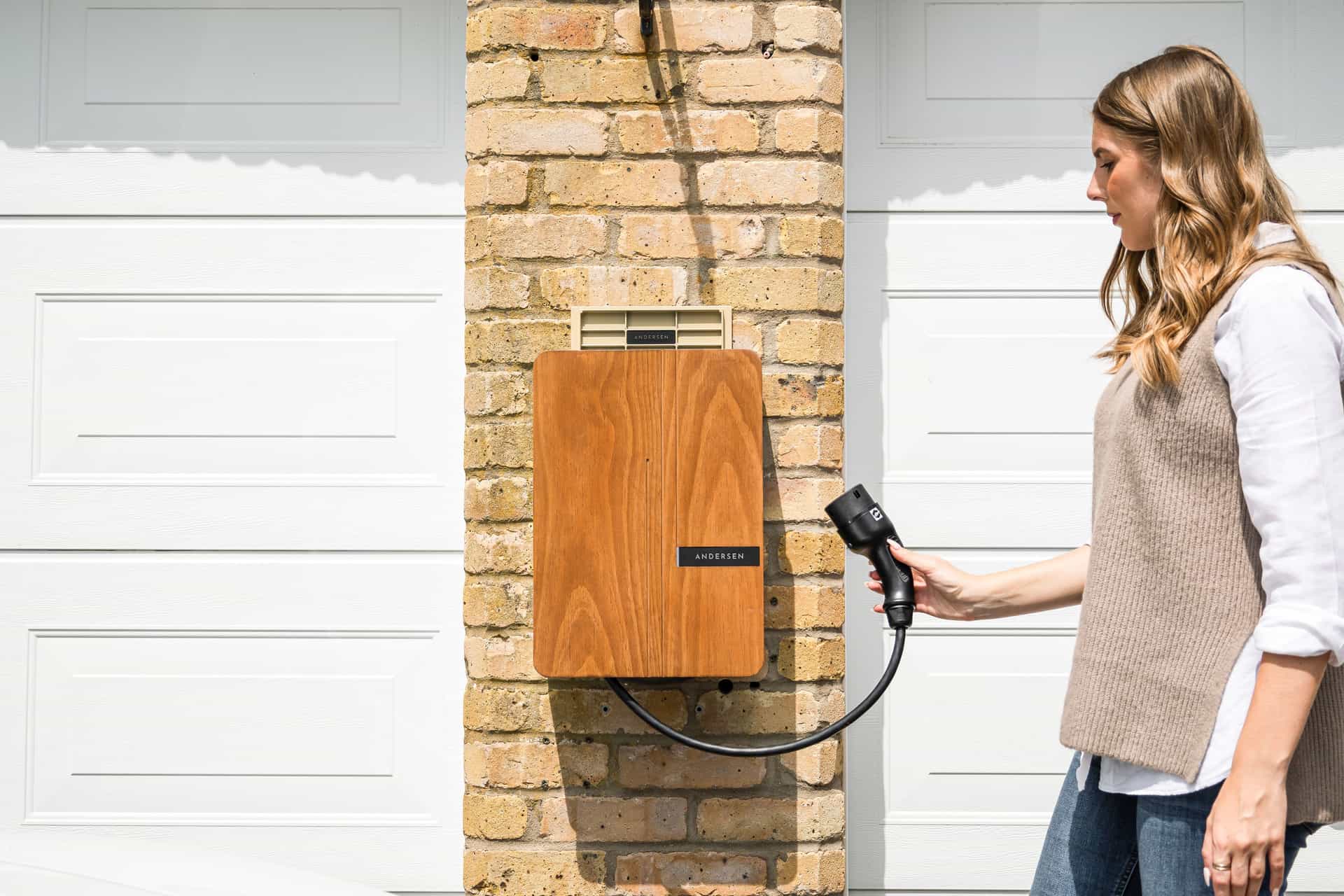
Start here
Read in this order. The first one may well tell you to buy nothing, which is a perfectly good outcome and one we would rather you reach before the money leaves your account.
Step 1
The honest test for whether you need a Level 2 charger, or whether Level 1 is enough.
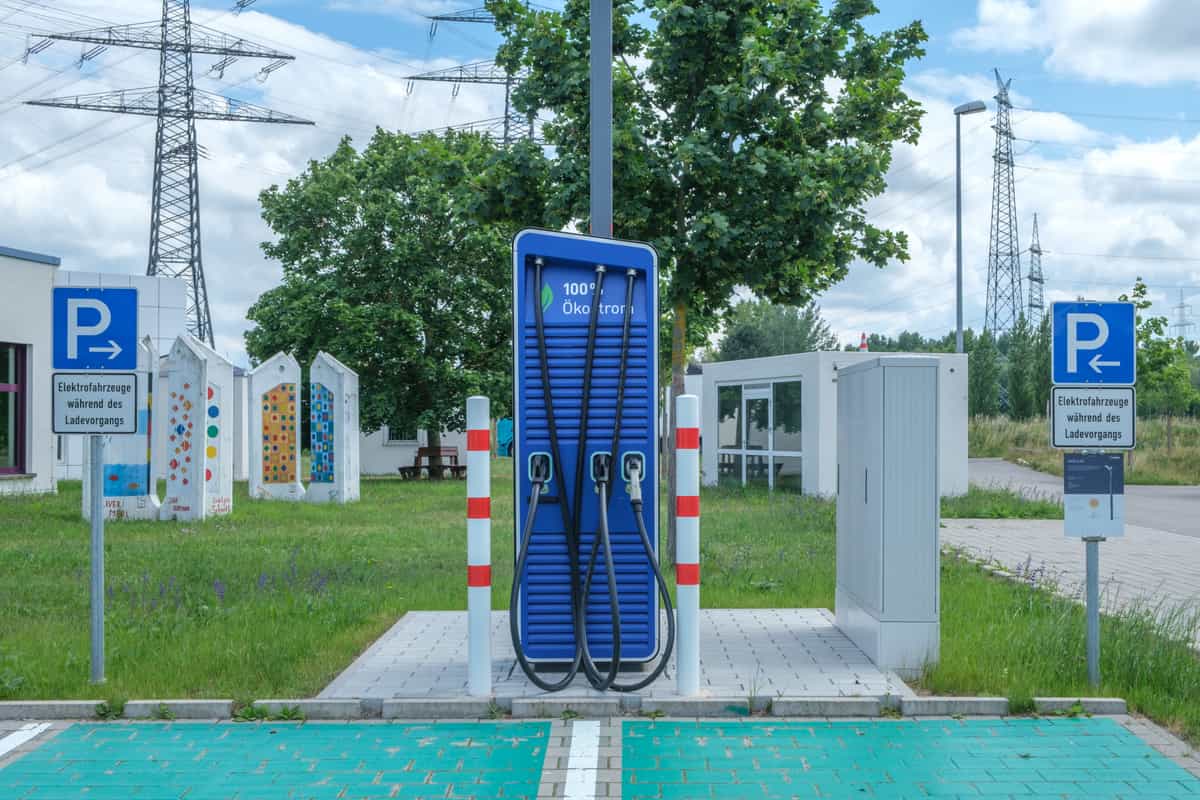
Step 2
Level 1, Level 2 and DC fast charging with real speeds, and which you need at home.
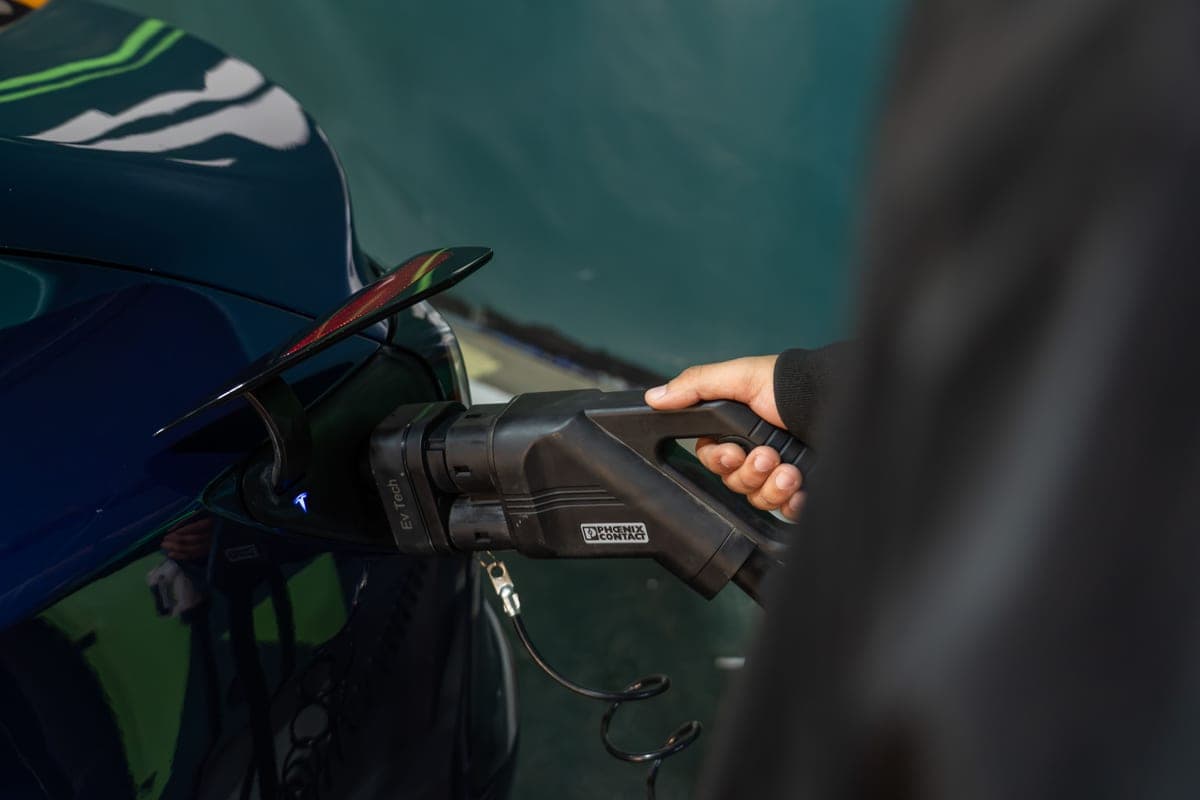
Step 3
The beginner's route to choosing a home charger: three questions, no assumed knowledge.
Top picks
The winner of each roundup, with a link straight to the comparison it won. Prices come from Amazon, not from us — we do not print a number we cannot verify.

Best overall
The safe default for a first home charger: 48 amps hardwired, a genuinely long cable, a NEMA 4 outdoor-rated case, and no subscription attached to the app.
J1772 · 48 A / 11.5 kW · 24 ft cable

Best budget
A cast-aluminum box with no app, no account and no firmware to update. If you want a charger that behaves like an appliance, this is the one.
J1772 · 40 A / 9.6 kW · 24 ft cable
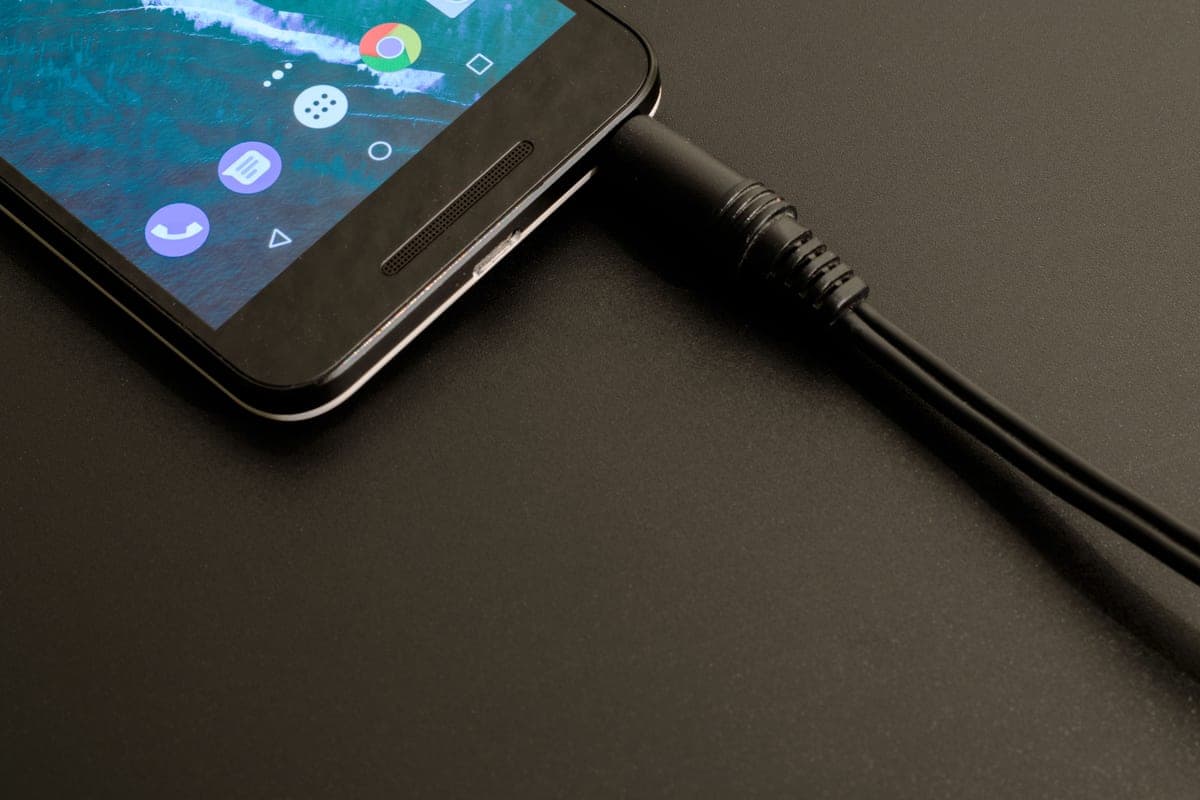
Best smart charger
The safe default for a first home charger: 48 amps hardwired, a genuinely long cable, a NEMA 4 outdoor-rated case, and no subscription attached to the app.
J1772 · 48 A / 11.5 kW · 24 ft cable
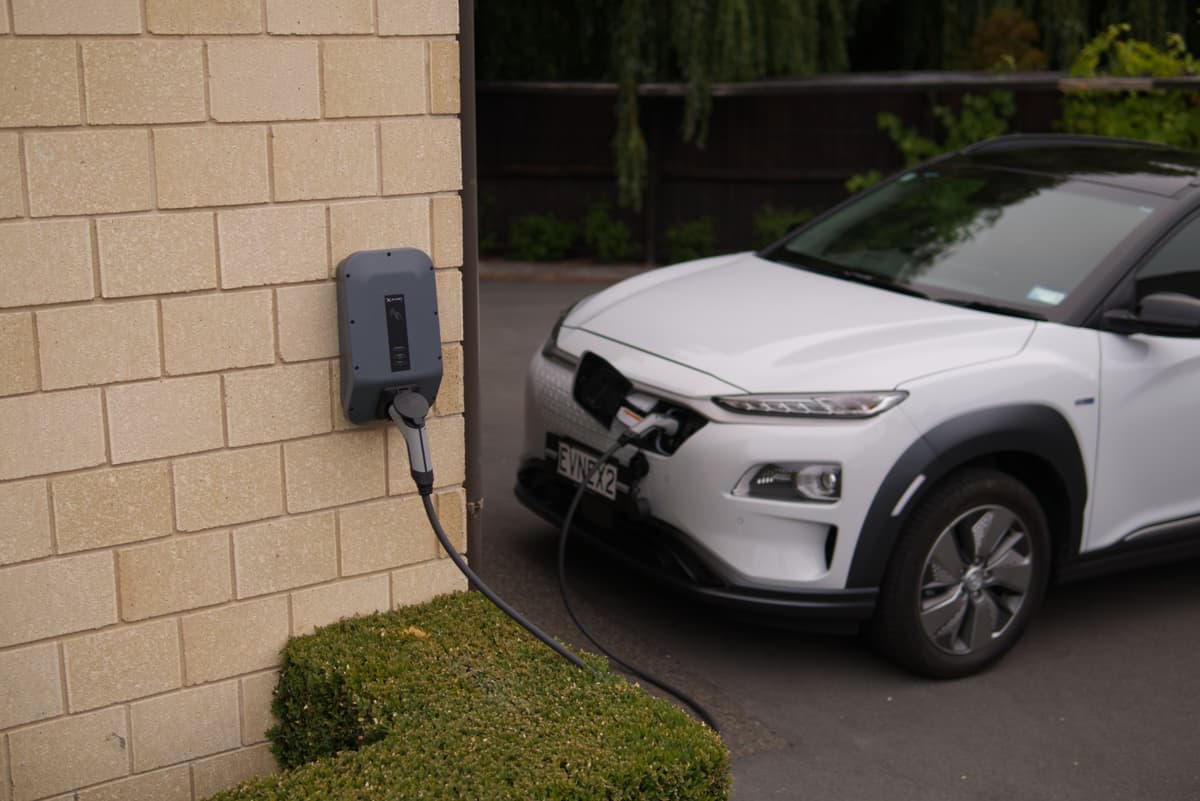
Best for outdoors
A cast-aluminum box with no app, no account and no firmware to update. If you want a charger that behaves like an appliance, this is the one.
J1772 · 40 A / 9.6 kW · 24 ft cable
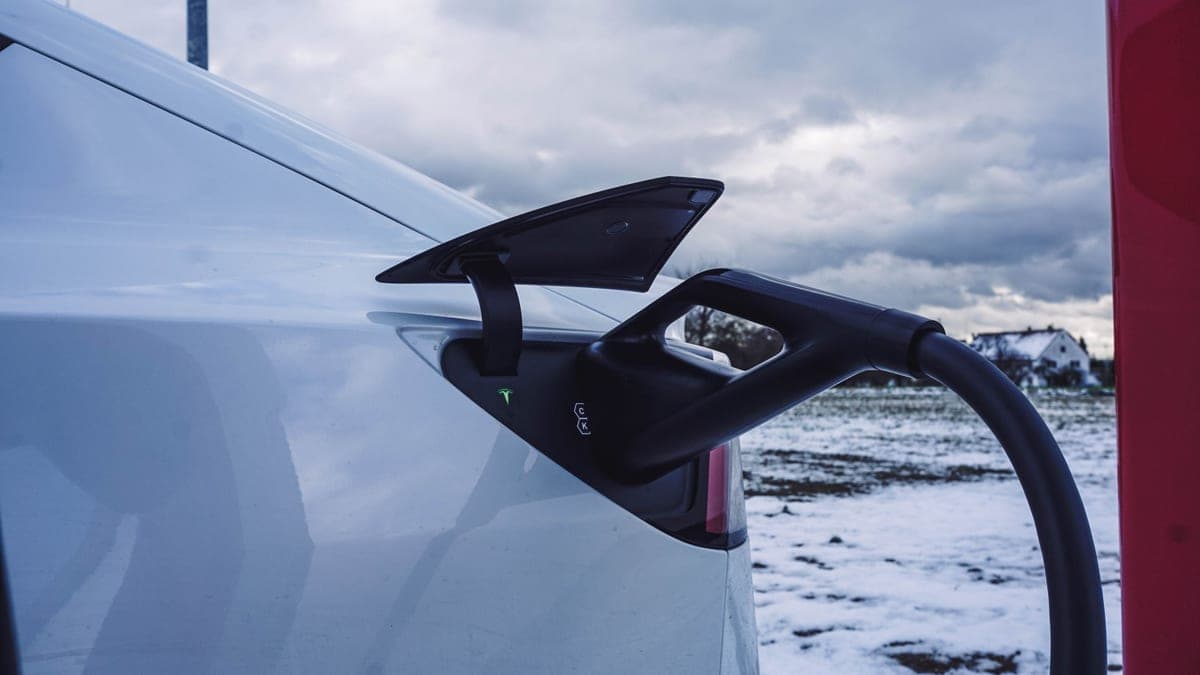
Best for cold
A cast-aluminum box with no app, no account and no firmware to update. If you want a charger that behaves like an appliance, this is the one.
J1772 · 40 A / 9.6 kW · 24 ft cable
Best for a garage
The safe default for a first home charger: 48 amps hardwired, a genuinely long cable, a NEMA 4 outdoor-rated case, and no subscription attached to the app.
J1772 · 48 A / 11.5 kW · 24 ft cable
The sections
82 pages, all of them written for someone buying their first charger rather than someone who already knows what a NEMA 14-50 is.
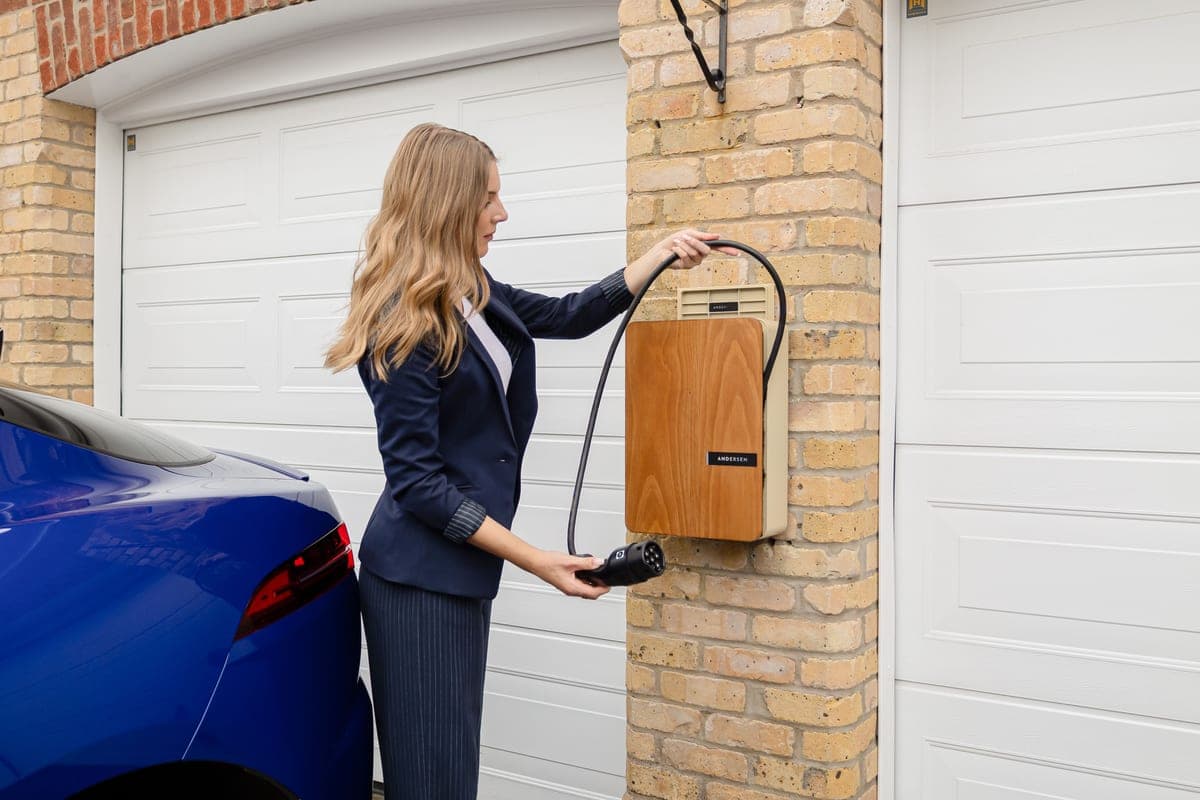
Section
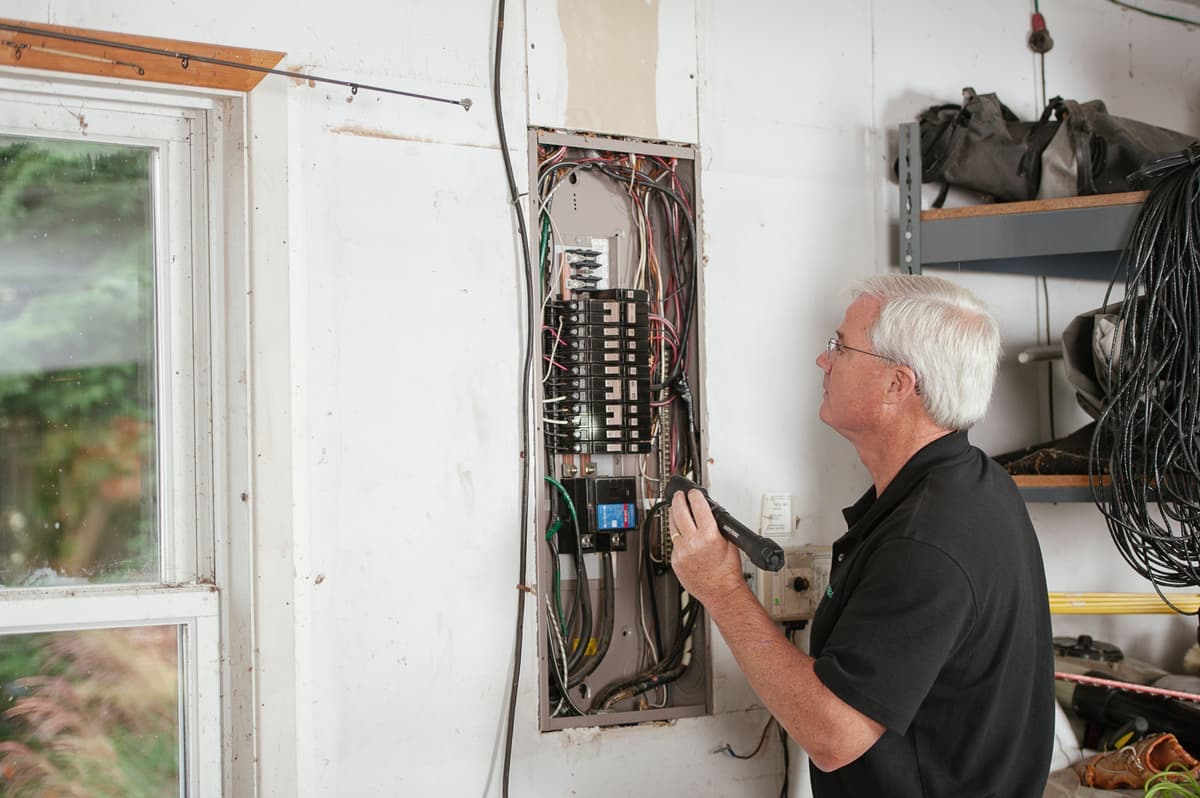
The wall units that charge your car overnight. Which one to buy, what the amperage numbers mean, and what you can safely ignore.
Section
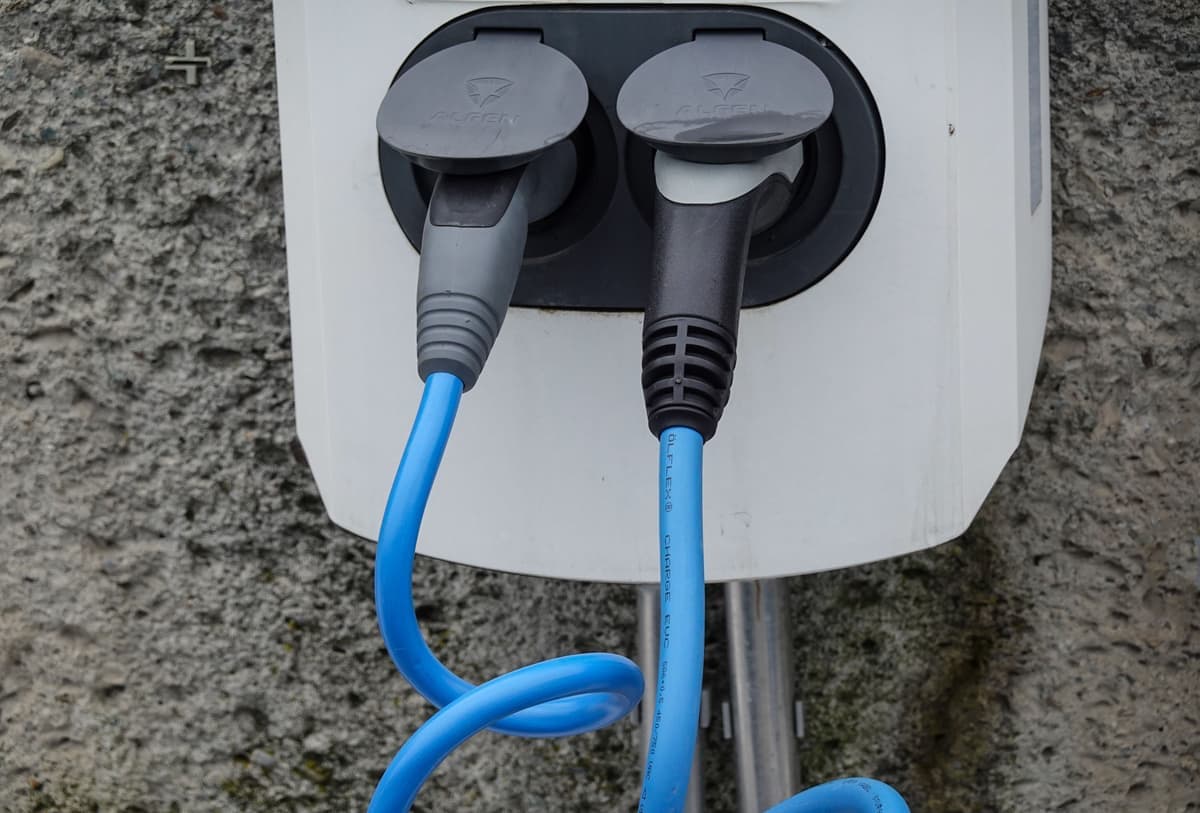
What it costs, what your panel needs, what size breaker and wire, and the point at which you stop and call an electrician.
Section
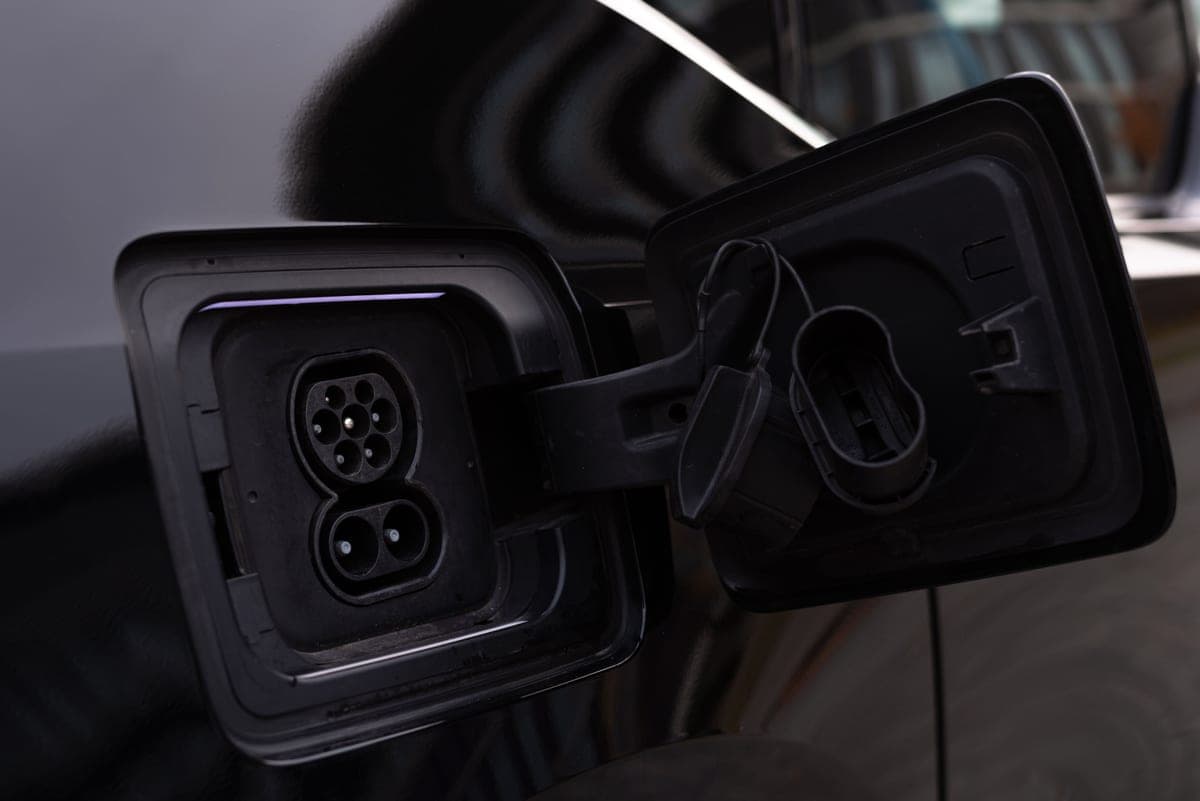
Charging when there is no wall unit: the cable in your trunk, apartments, rentals, hotels and road trips.
Section
Which connector your car uses, which charger fits it, and what the NACS changeover means for something you buy today.
Section
Start here if none of this makes sense yet. Levels, plugs, amps, kilowatts and how long charging actually takes, in plain English.
What it costs
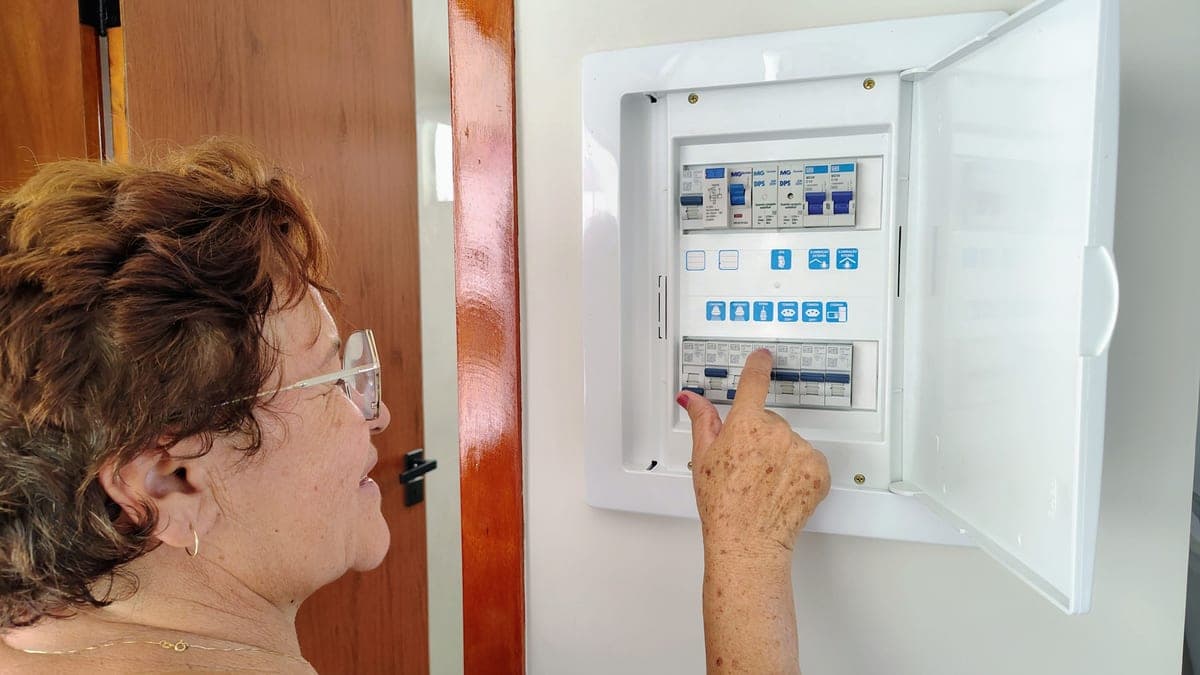
Published 2026 figures put a typical home Level 2 installation somewhere around $1,400 to $2,200 all in, against a charger costing $200 to $900. If your electrical panel is full, a service upgrade adds roughly $1,500 to $4,000 on its own. That one variable is the whole story of what this project costs.
Why trust this site
Every site in this category says they tested twenty chargers in their garage over a long weekend. We have not tested any, and we say so on every page rather than burying it.
What we did instead: compiled the published specifications from each manufacturer’s own manual and datasheet, did the electrical arithmetic in full so you can check every step, and cited the source for every number. Where something genuinely cannot be known from published specs — long-term reliability, mostly — we say that too.
It is a narrower claim than a test lab, and it is one we can actually stand behind. How we pick.
Read these first
The flagship roundup
Six Level 2 chargers ranked for a first-time buyer, with an honest reason to skip each one.
The money page
Itemized 2026 installation costs with published ranges, plus the one variable that changes everything.
The lookup table
Breaker and wire size for every charger amperage, with the 125% rule worked through.
Free tool
Calculate charging speed and time from your own numbers, with the working shown.
Latest
How this is funded
Plug & Pylon is a participant in the Amazon Services LLC Associates Program. If you buy through a link here we earn a commission at no extra cost to you. It does not affect what we recommend, and it is why several pages on this site end by telling you to buy nothing — which earns us exactly zero and is still the right answer.